
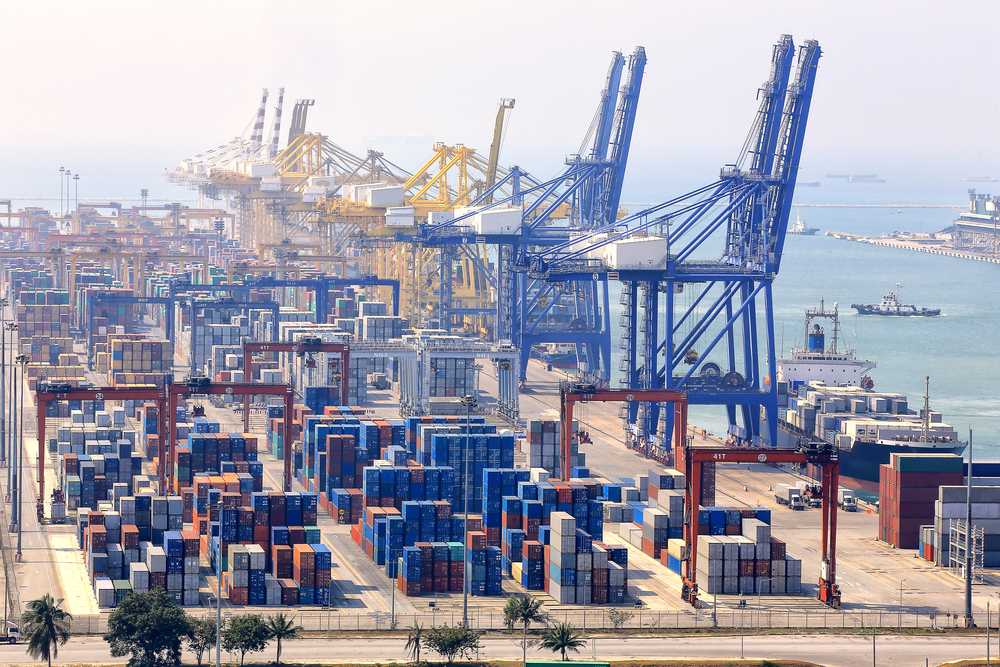
India is rapidly establishing itself as a significant regional transshipment hub, with ocean carriers increasingly routing Middle East-bound cargo through its west coast terminals. This growing trend sees shipments originating from the United States, Europe, and Africa being relayed via Indian ports before onward delivery to Gulf destinations.
The development marks a notable expansion of India’s transshipment role, which has traditionally focused on Asia-Persian Gulf trade lanes. By broadening its scope to include cargo from the Americas, Europe, and the African continent, India is positioning itself as a central node in global supply chains serving the Middle East.
This strategic shift reflects both the enhanced capabilities of Indian port infrastructure and the evolving preferences of major ocean carriers seeking efficient routing options. The west coast terminals, in particular, offer favourable geographic positioning for consolidating and redistributing cargo bound for Gulf markets.
For freight forwarders and shippers, this trend presents new opportunities to optimise routing strategies and potentially reduce transit times to Middle Eastern destinations. As India continues to invest in port capacity and connectivity, its role within international shipping networks is expected to strengthen further.