
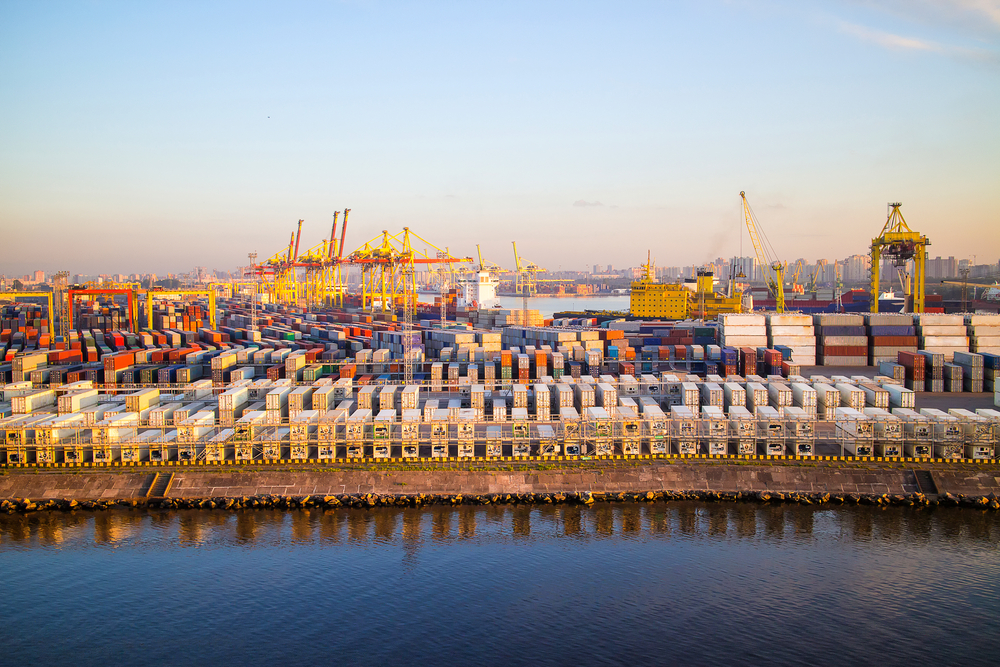
European ports are experiencing significant operational challenges due to inadequate terminal infrastructure investment, leaving facilities ill-equipped to manage surging freight demand.
Industry analysts and shipping carriers have highlighted a critical shortage of buffer capacity across major European terminals. This infrastructure gap has resulted in congestion, extended vessel waiting times, and supply chain disruptions throughout the region.
The lack of sufficient terminal development has created bottlenecks at key European gateways, impacting freight forwarding operations and cargo flow efficiency. Carriers report that existing port facilities are operating at or near maximum capacity, with limited flexibility to accommodate demand spikes or seasonal volume fluctuations.
Experts warn there is no immediate solution to this capacity crisis. Terminal expansion and infrastructure upgrades require substantial capital investment and lengthy development timelines, meaning European ports will likely continue facing operational pressures in the near to medium term.
For freight forwarders like RW Freight, these constraints necessitate strategic planning and alternative routing considerations to ensure reliable service delivery. The situation underscores the importance of working with experienced logistics partners who can navigate these infrastructure challenges whilst maintaining supply chain efficiency.
As demand for container shipping continues to grow, the pressure on European port infrastructure will likely intensify, making collaborative solutions between ports, carriers, and freight forwarders increasingly vital.